Coin vs. Coinless (TITO) Slot Machines: Which Is Right for Your Home?
Compare coin-operated and coinless TITO slot machines for home use, plus learn about free play mode and what most buyers actually choose.
One of the first decisions home slot machine buyers face is whether they want a coin-operated machine, a coinless TITO (Ticket In, Ticket Out) machine, or something else entirely. Each system has genuine advantages and trade-offs, and the right choice depends on what kind of experience you want in your game room.
Having sold machines configured every possible way over the past 33 years, we can tell you what most people choose, why they choose it, and the factors that should influence your decision.
How Coin-Operated Machines Work
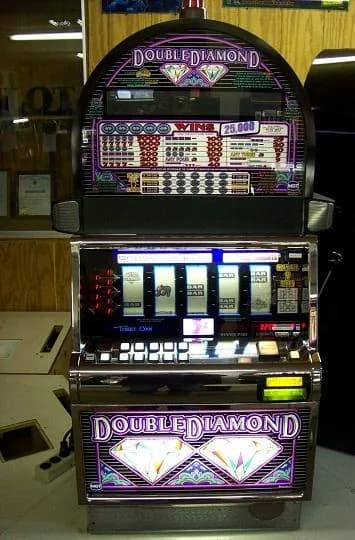
A coin-operated slot machine is what most people picture when they think of a slot machine. You insert quarters (or whatever denomination), the coin drops through a coin comparator that verifies it is genuine, your credits increase, you play, and when you cash out the hopper at the bottom spits coins into the metal tray with that satisfying clinking sound.
The internal components that make this work include the coin comparator (which uses size, weight, and electromagnetic properties to validate coins), the coin diverter (which routes accepted coins to the hopper or to a drop box when the hopper is full), and the hopper itself (a bowl with a motor-driven disk that picks up and dispenses individual coins).
This is the original system that slot machines used for over a century. It is proven, it is mechanical, and it delivers a specific sensory experience that many people love.
How TITO (Coinless) Machines Work
TITO stands for Ticket In, Ticket Out. This system replaced coins in most casinos starting in the early 2000s. Instead of inserting coins, you insert paper currency into a bill acceptor. Instead of coins paying out, the machine prints a voucher ticket with a barcode when you cash out.
In a casino, you take that ticket to another machine or to a cashier. In your home, the ticket is essentially just a receipt showing your final credit balance. It is a souvenir of your session.
The internal components are simpler than a coin machine. There is a bill acceptor for input, a thermal ticket printer for output, and no hopper, coin comparator, or coin-handling mechanisms at all. This means fewer moving parts, fewer potential failure points, and significantly less noise during payout.
The Nostalgia Factor: Why People Love Coins
Let us be honest about this. The number one reason people want coin-operated machines is the experience. The sound of coins dropping into the tray is iconic. It is the sound of winning. It is the sound of Las Vegas in the 1980s and 1990s. It triggers memories and creates atmosphere in a way that a printed ticket simply cannot match.
There is also a tactile element. Feeding coins into the machine, hearing them validated and accepted, watching your bucket of coins grow or shrink. It makes the money feel real in a way that credits on a screen do not.
For home use, some people set up their machine with a coin bucket and treat it like a mechanical piggy bank. Feed in spare change, play until it runs out, cash out what you win. It gamifies saving money in a fun way, especially for parties.
The Practical Case Against Coins
Coins come with real drawbacks for home use.
The hopper is the most failure-prone component in a slot machine. The dispensing disk can jam. Coins can bridge (get wedged together) and cause the hopper to stall. Foreign coins or damaged coins cause problems. The hopper motor wears out. In a casino, technicians clear hopper jams multiple times per shift. In your home, that is your problem.
Coins are heavy and messy. A full hopper of quarters weighs 25 to 30 pounds. You need to keep a supply of coins on hand to operate the machine. Those coins end up on the floor, behind furniture, and in couch cushions. If you have small children, coins on the floor are a choking hazard.
Coin machines are loud during payout. The hopper motor, combined with 50 to 200 quarters dropping into a metal tray, creates significant noise. This can be an issue in shared living spaces, during late-night play, or if your game room is not acoustically isolated from the rest of the house.
Maintenance is higher. The coin comparator needs periodic cleaning. The hopper needs inspection for jams and foreign objects. Coin dust (fine metallic particles) accumulates inside the cabinet and coats other components.
The Practical Case for TITO
TITO machines solve all of the above problems. No coins to buy, store, or clean up. No hopper to jam. Dramatically quieter operation. Less internal dust and wear. Fewer moving parts means less maintenance and fewer failures.
The bill acceptor is the only mechanical input device, and modern bill acceptors are highly reliable with proper quarterly cleaning. The ticket printer is simple thermal printing technology that works reliably for years with no ink to replace (thermal printers use heat, not ink).
For casual home use, TITO is simply more convenient. Insert a bill to get credits, play as long as you like, and when you are done the machine prints a ticket. The ticket does not need to go anywhere; it is just how the machine ends your session.
Free Play Mode: The Third Option
Here is what most people do not realize until they start shopping. Your slot machine does not have to require any money input at all.
Free play mode means the machine always has credits available. You never insert anything. You just walk up, press the button, and play. Credits never expire and never run out. When you press cash out, the credit meter simply resets.
Free play mode is a software setting, not a hardware modification. Almost any slot machine made after 1995 can be set to free play through the operator configuration menu. It takes about 30 seconds to enable.
In free play mode, the coin mechanism and bill acceptor are essentially disabled. You do not need them. The machine operates purely as an entertainment device without any money handling at all.
What Most Home Buyers Choose
After selling thousands of machines for home use, here is the breakdown of what customers actually configure.
Approximately 65 percent choose coinless with free play. They want the machine for entertainment without any money handling whatsoever. No coins, no bills, no tickets. Just press the button and play.
About 20 percent choose coinless with bill play. They insert bills to get credits and get a ticket at cash-out. This gives a more authentic casino-like experience without the hassle of coins.
About 15 percent want coin operation. These are typically enthusiasts who specifically want the classic coin-drop experience, people who use the machine at parties as a conversation piece with real quarters, or collectors going for complete authenticity.
The trend has been steadily moving toward free play over the past decade. As people get further from the era of coin-operated casinos, the nostalgia factor diminishes and convenience wins.
Converting Between Systems
If you buy a coin machine and later want to go coinless, or vice versa, conversion is possible but involves different levels of difficulty.
Coin to Free Play (Easiest)
This is just a software setting change. Enter the operator menu, enable free play. Done. The coin mechanism still exists inside the machine but is simply not used. Five-minute job.
Coin to TITO (Moderate)
This requires adding a bill acceptor (if one is not already installed) and a ticket printer, plus updating the machine's software configuration to recognize these components. On some platforms this is straightforward. On older platforms it may require a board upgrade. Typical cost for parts and labor runs $200 to $400.
TITO to Coin (Most Complex)
Adding coin capability to a coinless machine means installing a coin comparator, coin diverter mechanism, and hopper. The mechanical mounting points may or may not exist in your specific cabinet depending on when it was manufactured. Some newer cabinets were built exclusively for coinless operation and do not have the physical space or mounting hardware for a hopper. In machines where conversion is possible, expect $300 to $500 in parts and labor.
TITO to Free Play (Easiest)
Same as coin to free play. Software setting only. The bill acceptor and printer remain installed but unused.
Factors to Consider for Your Decision
Here are the practical questions to ask yourself.
How often will you use the machine? Daily players benefit from the convenience of free play. Occasional or party-only use might favor the fun of coins.
Who else will use it? If guests at parties will play, free play eliminates the need to provide coins or explain the bill acceptor. Anyone can walk up and play immediately.
Do you have young children? Coins on the floor are a choking hazard. Free play or TITO eliminates this risk.
Is noise a concern? Coin payouts are loud. If the machine is in a shared living space or you play late at night, coinless is dramatically quieter.
Are you mechanically inclined? If you enjoy tinkering and do not mind occasional hopper jams, coin operation is manageable. If you want zero maintenance hassle, go coinless with free play.
Do you want to use the machine as entertainment for parties? Coins can be fun at parties. Give each guest a bucket of quarters and let them play. It creates engagement and competition. But free play with a simple "highest credit wins" competition works just as well with zero preparation.
Is authenticity important to you? If you are a collector or casino enthusiast who wants the most historically accurate experience, coin operation on a vintage machine delivers that perfectly.
Our Recommendation
For the typical home buyer who wants a slot machine for personal entertainment and occasional party use, we recommend a coinless machine configured for free play. It is the lowest maintenance, lowest hassle, and most reliable configuration. You never run out of credits, never deal with jams, never sweep coins off the floor.
If you want a slightly more authentic feel, add bill acceptor play so you can insert a twenty and play until you win or lose it. This adds a mild stakes element that some people enjoy without the mechanical complexity of coins.
If you specifically want coins because that experience is important to you, we absolutely support that choice. Just understand the maintenance trade-off and keep your quarterly bill acceptor and hopper cleaning schedule.
Every machine we sell can be configured any of these ways. Tell us your preference when you order and we will set it up before shipping. And if you change your mind later, we can walk you through reconfiguring over the phone. That is what free lifetime tech support means.