
How Much Electricity Does a Slot Machine Use? (Real Numbers)
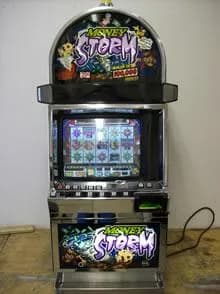
Real wattage measurements and monthly cost calculations for slot machines at home, from classic reel games to multi-screen video cabinets.
One of the first questions buyers ask after "where do I put it" is "how much is this going to cost me in electricity?" After 33 years of selling machines and helping customers plan their game rooms, I can give you real numbers based on actual measurements, not guesses.
Actual Wattage by Machine Type
Slot machines are not all created equal when it comes to power consumption. The range is significant depending on what type of machine you own.
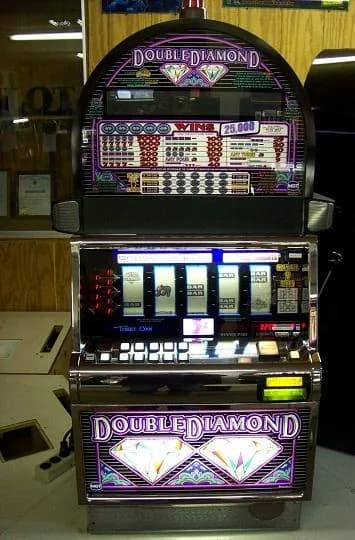
Mechanical Reel Machines (200-300 Watts)
A classic three-reel machine like the IGT S2000 running Double Diamond pulls between 200 and 300 watts during active play. The main power draws are the fluorescent backlight behind the glass (about 80W), the reel motors during spin (brief surges to 60W total, but only for a few seconds), the logic board and electronics (about 40W constant), and the bill acceptor and hopper motor (intermittent, 30-50W when active).
When the machine is idle (powered on but not being played), it drops to about 150-180 watts because the reels are not spinning and the hopper is not running. The backlight stays on, which is the biggest constant draw.
Standard Video Slots (350-500 Watts)
A video slot machine with one or two LCD displays (like a Bally Alpha, Aristocrat MK6, or IGT AVP) pulls 350-500 watts during play. The displays are the primary consumers here. A 22-inch LCD panel draws 80-120 watts on its own. Add a second display for the top box and you are at 160-240 watts just for screens. The rest goes to the computer board, amplified speakers, LED lighting, and bill acceptor.
Idle draw on video machines is 280-380 watts because those displays stay lit.
Multi-Screen and Premium Cabinets (450-600 Watts)
The newer premium cabinets with large curved displays, multiple screens, and enhanced lighting packages (think IGT Crystal, Aristocrat Helix, or Bally U-Spin with the mechanical wheel) pull 450-600 watts. The U-Spin wheel motor adds about 50 watts during bonus rounds. The larger displays (32-inch and up) draw 130-150 watts each.
Monthly Cost Calculations
Let me do the math for you with two common scenarios: casual home use and heavy use.
Casual Use: 2 Hours Per Day
This is the typical home game room owner who plays a couple rounds after dinner or when friends come over.
At the national average rate of $0.12 per kilowatt-hour:
- Reel machine (250W average): 250W x 2 hours x 30 days = 15,000 Wh = 15 kWh x $0.12 = $1.80 per month
- Video slot (425W average): 425W x 2 hours x 30 days = 25,500 Wh = 25.5 kWh x $0.12 = $3.06 per month
- Premium cabinet (525W average): 525W x 2 hours x 30 days = 31,500 Wh = 31.5 kWh x $0.12 = $3.78 per month
At a higher rate of $0.20 per kilowatt-hour (California, New England, Hawaii):
- Reel machine: 15 kWh x $0.20 = $3.00 per month
- Video slot: 25.5 kWh x $0.20 = $5.10 per month
- Premium cabinet: 31.5 kWh x $0.20 = $6.30 per month
Heavy Use: 8 Hours Per Day
This covers party situations, dedicated game rooms that stay on all day, or small business installations.
At $0.12 per kilowatt-hour:
- Reel machine (250W): 250W x 8 hours x 30 days = 60 kWh x $0.12 = $7.20 per month
- Video slot (425W): 425W x 8 hours x 30 days = 102 kWh x $0.12 = $12.24 per month
- Premium cabinet (525W): 525W x 8 hours x 30 days = 126 kWh x $0.12 = $15.12 per month
At $0.20 per kilowatt-hour:
- Reel machine: 60 kWh x $0.20 = $12.00 per month
- Video slot: 102 kWh x $0.20 = $20.40 per month
- Premium cabinet: 126 kWh x $0.20 = $25.20 per month
Comparison to Common Appliances
To put these numbers in perspective, here is how a slot machine compares to things already running in your home:
- A slot machine at 2 hours per day uses about the same electricity as a 60-watt light bulb left on 8 hours per day
- A desktop gaming computer during active use pulls 400-600 watts, the same as a video slot
- A 55-inch LED television draws 80-120 watts, about half of what powers the displays in a video slot
- A refrigerator uses about 100-200 watts continuously (40-60 kWh per month), making it a bigger electricity user than a casually-used slot machine
- A space heater at 1,500 watts draws three to five times more power than any slot machine
The bottom line: a slot machine used recreationally in your home adds less to your electric bill than your refrigerator. It is not a meaningful expense.
Tips to Reduce Power Consumption
Turn It Off When Not Playing
This sounds obvious, but many people leave their machines on 24/7 because they look cool lit up in the game room. A video slot left on around the clock at idle consumes about 200-250 kWh per month, which is $24-50 depending on your rate. Just flip the switch when you walk out of the room.
Slot machines are designed to be powered on and off. Unlike a computer that needs a graceful shutdown, a slot machine handles cold starts without any issue. The only consideration is the CMOS battery that maintains settings, which we will cover in a moment.
Upgrade to LED Backlighting
Older reel machines use fluorescent tubes for the backlit glass and reel strips. These draw 60-100 watts and generate heat. LED replacement kits are available for most IGT and Bally cabinets, dropping that draw to 15-25 watts while producing brighter, more even light. The kits cost $30-60 and take about 20 minutes to install. Over a year of daily use, the LED upgrade pays for itself in electricity savings.
Use a Smart Plug or Power Strip Timer
If you want your machine to be on when you walk into the game room at 6 PM and off after midnight, a $15 smart plug handles this automatically. Set a schedule and forget about it. The machine boots in under 30 seconds, so there is no warmup time to worry about.
Keep It Clean
A slot machine with clogged ventilation fans runs hotter and the power supply works harder to compensate. Vacuum the intake vents every few months. A machine that runs cool runs more efficiently.
The Hidden Power Cost Nobody Mentions
Here is something most people overlook: heat. Every watt a slot machine consumes ultimately becomes heat in your room. A 425-watt video slot running for four hours dumps about 1,700 watt-hours of heat into your space. In winter, that is free heating. In summer, your air conditioner has to remove that heat, effectively doubling the electricity cost.
If your game room is in a basement, this is rarely a problem. If it is in an uncooled garage in Arizona (I live here, I know), you probably will not play in summer anyway. But if your game room is in a climate-controlled part of your house, factor in a modest AC cost during hot months.
What About the Startup Surge?
Slot machines do draw a brief surge when first powered on, as the power supply capacitors charge and the displays initialize. This surge lasts less than one second and is about double the normal wattage. It is completely insignificant for your electric bill and will not trip a household circuit breaker. A standard 15-amp household circuit can handle two slot machines simultaneously without any issues.
Bottom Line
A slot machine in your home will cost you between $2 and $25 per month in electricity depending on the type of machine and how much you use it. For most home owners running a reel machine or video slot a couple hours per day, you are looking at $3-5 per month. That is less than a single trip to Starbucks. It should not be a factor in your buying decision.