How to Build a Home Casino: Slot Machines, Decor, and Setup Tips
Plan your dream home casino from room layout to lighting, flooring, slot placement, and budget. A complete guide from setup to finishing touches.
Building a home casino is one of the most rewarding projects you can take on as a homeowner. I have helped thousands of customers plan their setups over the past 33 years, and I can tell you that the difference between a slot machine sitting awkwardly in a corner and a proper home casino comes down to planning. Let me walk you through everything from room selection to final touches.
Room Planning and Space Requirements
The minimum space you want for a dedicated home casino is 10 feet by 12 feet. That gives you enough room for two slot machines, a small bar area or high-top table, and comfortable movement space. Most customers work with spare bedrooms, finished basements, bonus rooms, or converted garages.
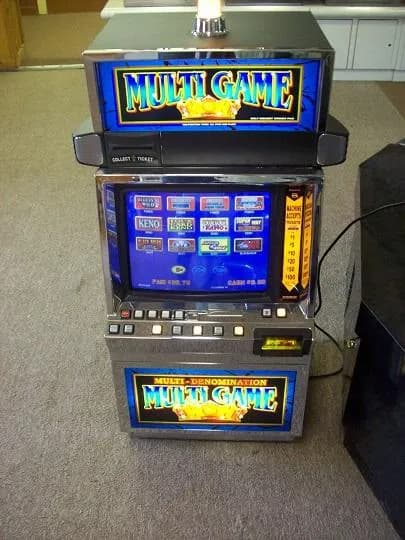
A basement is ideal for several reasons. Temperature stays consistent which is good for electronics. Sound is naturally dampened by being below grade. You typically have fewer windows to deal with for light control. And basements often have the structural floor support to handle heavy machines without any concern.
A standard upright slot machine weighs between 250 and 400 pounds. A two-car garage conversion can comfortably hold four to six machines plus entertainment space. A spare bedroom typically fits two machines and a small seating area.
Measure your doorways before ordering. Standard interior doors are 30 to 32 inches wide. Most slot machine cabinets are 24 to 28 inches wide, so they fit through standard doors. Taller upright cabinets may need to be tilted, and you should measure the height of any stairways if the room is on a different level.
Plan your electrical before anything else. Each slot machine draws between 2 and 4 amps on a standard 120-volt circuit. A typical 15-amp household circuit can safely run three machines plus ambient lighting. If you plan to run more than three machines, lighting, a TV, and a sound system, have an electrician run a dedicated 20-amp circuit. Never use extension cords for slot machines. Use surge protectors rated for at least 1500 watts.
Lighting Design
Lighting transforms a room with slot machines into a casino. The goal is to eliminate overhead fluorescent flatness and create atmospheric depth.
Start with your ambient base layer. LED color wash strips along the ceiling perimeter or under bar counters create that unmistakable casino glow. Purple, blue, and red are the classic casino palette. RGB LED strips are inexpensive at around $30 to $50 for enough to ring a room, and they come with remote controls to change colors and intensity.
Add accent lighting with neon signs or LED neon flex. Classic phrases like Lucky Seven, Jackpot, or a simple bar sign add character. Vintage brewery signs or Las Vegas replica signs work perfectly. Budget $50 to $200 per sign depending on size and whether you go vintage or reproduction.
Keep overhead lighting dimmable. Install a dimmer switch on whatever ceiling fixture exists. You want the option to bring up full light for cleaning or maintenance but keep it low during play. Recessed can lights on a dimmer are ideal if you are doing any ceiling work.
The slot machines themselves provide significant light. Their attract modes cycle through colorful displays, and the button panels glow. In a properly darkened room, three slot machines provide enough ambient light to navigate comfortably.
Avoid direct sunlight on machine screens. UV exposure over time damages LCD displays, and glare makes screens hard to read. If your room has windows, use blackout curtains or cellular shades.
Flooring Considerations
Casinos use low-pile commercial carpet for good reasons. It absorbs sound, hides wear patterns, it is comfortable to stand on, and it does not show every coin or token that hits the ground. For your home casino, low-pile carpet or carpet tiles are the best choice.
Carpet tiles are particularly smart for home casinos. They cost $2 to $5 per square foot, come in casino-appropriate dark colors and patterns, and individual tiles can be replaced if one gets stained or worn. A 10x12 room costs roughly $240 to $600 to floor with quality carpet tiles.
Rubber matting or interlocking foam tiles work well for garage conversions. They dampen vibration, insulate against cold concrete, and are extremely durable. Anti-fatigue mats in front of each machine add comfort for longer play sessions.
Hardwood and laminate floors work but create more noise. Every coin drop, every chair scoot, and the general hum of machines reflects off hard surfaces. If you already have hardwood, add area rugs in front of machines and in seating areas.
Avoid placing machines directly on carpet pad or thick plush carpet. The machines are heavy enough to compress thick padding unevenly over time, potentially causing the machine to tilt slightly. Low-pile or commercial grade avoids this issue.
Slot Machine Placement
Where you position your machines matters for both aesthetics and longevity.
Keep machines at least 6 inches from any wall. They need air circulation around the back panel where the power supply and main board generate heat. Pushing a machine flush against a wall restricts airflow and shortens the life of electronic components.
Never place a machine near a source of moisture. This means away from exterior doors where rain might blow in, away from sump pump areas in basements, and away from any plumbing. Humidity is the enemy of circuit boards. If your basement has humidity issues, run a dehumidifier and aim for 40 to 50 percent relative humidity.
Avoid heat sources. Do not place machines next to radiators, heating vents, or in direct sunlight. The electronics are designed to operate in climate-controlled casino environments between 65 and 75 degrees Fahrenheit.
Angle your machines slightly rather than lining them up flat against a wall. A 10 to 15 degree angle creates a more inviting arrangement and lets multiple people play without bumping elbows. This mirrors how casinos arrange banks of machines.
Leave enough space in front of each machine for comfortable play. Three feet of clearance allows for a stool or chair and room to get in and out without squeezing.
Complementary Items and Decor
A home casino is more than slot machines. The surrounding elements complete the experience.
A poker table is the most popular addition. Folding poker table tops that sit on any dining table cost $100 to $300. Dedicated poker tables with padded rails run $300 to $1,500. If you have the space, an 8-person table creates a social hub that complements the solo slot experience.
A bar area elevates the room significantly. This does not need to be elaborate. A 4-foot countertop with a mini fridge underneath, some shelving for bottles, and two or three bar stools creates a proper casino bar feel. Budget $300 to $800 for a simple home bar setup. Add a speed rail, a bar mat, and some rocks glasses and you are in business.
Sports memorabilia and casino collectibles add personality. Framed vintage casino chips, old Las Vegas postcards, boxing event posters, or classic rat pack photos all work. Check estate sales and antique shops for authentic vintage casino signage.
A wall-mounted TV lets you run sports or classic casino movies during gatherings. A 55-inch TV mounted above a bar area or between machines creates that sportsbook atmosphere.
Card table accessories round out the gaming options. A craps felt layout for a tabletop, a roulette wheel, or even a simple blackjack mat gives guests options beyond the slot machines.
Consider a vintage jukebox or at minimum a quality Bluetooth speaker system. Music matters in creating atmosphere. A used jukebox runs $500 to $2,000 and becomes a focal point.
Sound Considerations
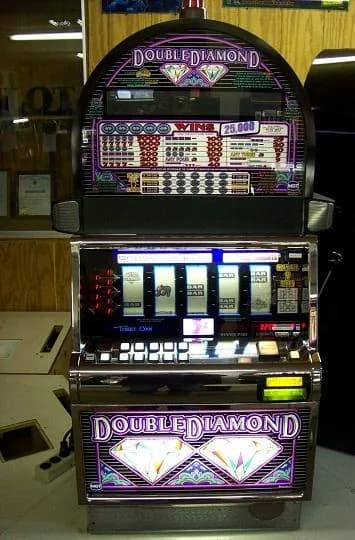
Slot machines are not quiet. The attract mode on a typical machine cycles through music and sound effects at moderate volume. When someone is actively playing, win celebrations can hit 80 decibels or more. If your casino room shares walls with bedrooms or neighbors, address sound.
Most machines have internal volume controls. IGT machines have a volume setting in the operator menu accessible with the jackpot reset key. You can turn machines down to 30 to 40 percent volume and still enjoy the sound effects without shaking the walls.
Soft surfaces absorb sound. Carpet, upholstered furniture, acoustic panels, and curtains all reduce sound transmission. If you are converting a room with hard parallel walls, even two or three acoustic panels at $30 each can dramatically reduce echo.
For garage conversions, insulate shared walls with the house. Standard fiberglass batt insulation in the wall cavity between garage and living space makes a meaningful difference.
Timing matters too. Most home casino owners learn quickly to power down machines or mute them during quiet hours. Modern machines remember their volume settings so you only set it once.
Climate Control
Slot machines generate heat. A single machine adds roughly the same heat as a 200-watt space heater running continuously. Three machines in an enclosed room will noticeably raise the temperature.
Ensure your room has adequate HVAC coverage. A room with three machines may need a slightly oversized vent or a supplemental mini-split unit, particularly in summer months. Basements tend to stay cool naturally, making them ideal.
In garages, a ductless mini-split air conditioning system is the gold standard for conversions. They run $800 to $2,000 installed and keep the space comfortable year-round while also controlling humidity.
Never operate machines in an unheated space during winter if temperatures drop below 50 degrees. LCD displays can be damaged by extreme cold, and thermal cycling causes solder joint stress on circuit boards.
Budget Breakdown
Here is what a home casino project typically costs at three levels.
Budget Build: $3,000 to $5,000
- 1-2 refurbished slot machines: $1,600 to $3,000
- LED strip lighting: $50
- Carpet tiles for the room: $300
- Bar stools and small table: $200
- Neon sign or two: $100
- Surge protectors and electrical: $100
- Decor and accessories: $200
Mid-Range Build: $6,000 to $10,000
- 2-3 refurbished slot machines: $3,000 to $5,500
- Full lighting design with color wash and accents: $300
- Professional flooring: $600
- Home bar setup with mini fridge: $800
- Poker table: $400
- Wall-mounted TV: $400
- Acoustic treatment: $200
- Decor, signage, memorabilia: $500
- Dedicated electrical circuit: $300
Premium Build: $12,000 to $15,000
- 4-6 refurbished slot machines: $5,000 to $9,000
- Full room renovation with proper flooring and paint: $1,500
- Custom bar with refrigeration: $1,500
- Quality poker table and accessories: $800
- Professional lighting installation: $500
- Sound system: $400
- Large screen TV: $600
- Mini-split HVAC: $1,500
- Decor package: $800
Planning Your Order
When you are ready to start, here is the sequence I recommend.
First, plan your electrical and verify your circuit capacity. Second, address flooring and paint while the room is empty. Third, install lighting fixtures and any ceiling work. Fourth, order your machines. We can hold machines for up to 30 days while you prepare your space. Fifth, arrange delivery and have your placement spots clear with surge protectors ready. Sixth, add furniture, decor, and finishing touches.
We ship machines nationwide on pallets via freight carrier. Delivery to your door is included in our pricing. You will need one or two helpers to move a machine from the delivery point to your casino room, or we can arrange white-glove delivery in most areas for an additional fee.
The Payoff
Customers tell me all the time that their home casino becomes the most-used room in the house. It becomes where friends gather for fight nights, where the family plays poker on holidays, where Dad disappears for 20 minutes of decompression after work. A well-planned home casino is not just a collection of machines in a room. It is a destination within your home that brings people together.
Give us a call and tell us about your space. After 33 years and thousands of home casino setups, we can help you plan the perfect layout and choose the right machines for your room and budget.