Slot Machines as an Investment: Do They Hold or Gain Value?
A 33-year dealer breaks down slot machine values across eras — from antique machines worth six figures to modern retired casino units — and how they compare to other collectibles.
People ask me all the time whether the machine they are buying will be worth more in ten years. It is a fair question. You are spending $1,000 to $3,000 on a 275-pound piece of equipment, and it is natural to wonder whether that money is going into something that holds value or something that depreciates like a new car driving off the lot.
After 33 years of buying and selling slot machines from our shop in Kingman, Arizona, I have watched the market evolve in ways nobody predicted. Machines I bought for $200 in the early 2000s are now worth $2,000. Machines that were state-of-the-art in 2010 can barely give away today. The slot machine market has its own rules, and understanding them can turn a fun purchase into a genuinely smart one.
Let me walk you through how slot machine values work across different eras, what drives appreciation, and how these machines stack up against other collectibles.
The Antique Tier: Pre-1950 Mechanical Machines
This is where the real money lives. Antique slot machines from the early 1900s through the 1940s are legitimate collectibles that trade in the same circles as fine art and rare automobiles. We are talking about machines from manufacturers like Mills, Jennings, Watling, and Pace — names that most casual buyers have never heard of but that serious collectors revere.
What These Machines Are Worth
The value range for antique slot machines is enormous. A common Mills Cherry Front from the 1940s in average condition might sell for $3,000 to $5,000. A rare Mills Violano Virtuoso — which combined a slot machine with a self-playing violin — has sold at auction for over $300,000. Most antique machines that come to market fall in the $5,000 to $25,000 range, with exceptional examples reaching $50,000 to $100,000.
Why They Appreciate
Antique slot machines appreciate for the same reasons any antique appreciates. Supply is fixed and shrinking. Every year, machines are lost to fires, floods, neglect, and improper storage. Meanwhile, demand grows as new collectors enter the market and existing collectors upgrade their holdings.
The craftsmanship factor cannot be overstated. Pre-1950 machines were built with cast iron frames, chrome-plated hardware, hand-painted details, and genuine wood cabinetry. Many featured elaborate castings with Art Deco or Art Nouveau designs. They are as much decorative art as they are gaming devices.
Provenance matters enormously in this tier. A machine with documented history — particularly one connected to a famous casino, a historical figure, or a significant event — commands a substantial premium. A standard Mills machine might be worth $8,000, but the same model documented as coming from Bugsy Siegel's Flamingo Hotel could be worth $40,000 or more.
The Investment Track Record
Over the past 33 years, I have watched antique slot machine values increase roughly 5 to 8 percent annually on average. That outpaces inflation and is competitive with many traditional investment classes. The highest-quality examples — mint condition, rare models, documented provenance — have appreciated even faster, sometimes 10 to 15 percent annually.
The caveat is liquidity. Unlike stocks, you cannot sell an antique slot machine with a click. Finding the right buyer at the right price can take weeks or months. The market is small and specialized. Auction houses like Morphy's, Dan Morean, and specialized gaming auctions are the primary venues for high-end sales.
The Mid-Century Tier: 1950s Through 1980s Electromechanical Machines
This is the segment of the market I find most interesting right now. Electromechanical slot machines from the 1950s through the 1980s are in a sweet spot where they are old enough to have nostalgic and historical appeal but recent enough that many are still in excellent working condition.
Key Machines in This Era
The Bally E-series machines from the 1960s and 1970s are the flagship of this category. The Bally 809, 831, 873, and 891 models were the first successful electromechanical slot machines and they changed the industry forever. They replaced purely mechanical operation with electrical components while keeping physical reels, creating a hybrid that was more reliable and offered more complex game play.
Other notable machines include the Mills Bell-O-Matic series from the 1950s (the last of the purely mechanical production machines), Jennings machines from the same era, and early IGT machines from the 1980s when IGT was transitioning from their predecessor company, SIRCOMA.
Current Values and Trajectory
Mid-century electromechanical machines currently trade in the $1,500 to $8,000 range depending on model, condition, and rarity. Common Bally electromechanicals in working condition start around $1,500 to $2,500. Rare models or exceptional examples reach $5,000 to $8,000.
Here is why I am bullish on this segment. These machines are crossing the threshold from used equipment into collectible territory. The same thing happened with antique machines 30 years ago. As the original casino-going generation that played these machines enters retirement and their children discover them, nostalgia-driven demand is increasing.
I have seen 15 to 25 percent price increases on quality electromechanical machines over the past five years. That pace will not sustain indefinitely, but it reflects a genuine market shift. These machines are being reappraised as historical artifacts of the gaming industry's most transformative era.
What to Look For
If you are buying in this tier with an eye toward investment, condition is paramount. Original paint, original chrome, original glass, and correct internal components all matter. A restored machine is worth significantly less than an original-condition example because collectors value originality above all else in this category.
Working condition matters too, but less than you might think. A non-working machine in original cosmetic condition is often worth more than a working machine that has been repainted or had components replaced with incorrect parts.
The Modern Tier: 1990s Through 2010s Casino Machines
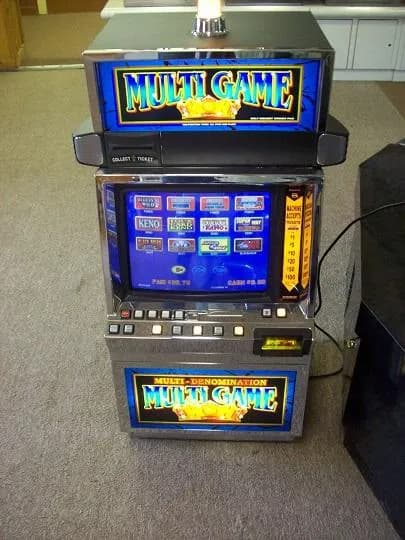
This is the bread and butter of our business at Used Slot Shop. Modern retired casino machines from manufacturers like IGT, Bally, Aristocrat, WMS, Konami, Ainsworth, and Aruze make up the vast majority of the home slot machine market. Understanding their value trajectory is important because this is where most buyers are spending their money.
The Depreciation Curve
Modern slot machines follow a predictable depreciation pattern that looks remarkably similar to automobiles.
Year 1 to 3 on the casino floor: The machine is worth its original purchase price to the casino, which can range from $15,000 to $25,000 for a new cabinet with game software licensing. Home buyers never see machines at this stage.
Year 3 to 7 (end of casino life): The machine comes off the floor. Casinos sell them in bulk to dealers like us for $100 to $500 per unit depending on platform, age, and condition. This is where the steepest depreciation happens — a machine that cost a casino $18,000 sells for $300.
Year 7 to 15 (secondary market): This is where we operate. After refurbishment, machines sell for $750 to $3,500 depending on platform, game theme, and condition. Values are relatively stable in this window. The machines that were popular in casinos tend to be popular in homes.
Year 15 to 25 (maturation): Here is where it gets interesting. As machines age past 15 years, two things happen simultaneously. The supply shrinks as machines break down, get scrapped, or are lost to neglect. And the machines begin qualifying for ownership in age-restricted states under the 25-year rule, which expands the buyer pool dramatically.
Year 25 and beyond (stabilization and potential appreciation): Once a machine crosses the 25-year threshold, it is legal in 41 states instead of just 13. That tripling of the addressable market creates upward price pressure. We are seeing this right now with IGT S2000 machines from the late 1990s. Prices have firmed up and started climbing as these machines become legal in more states and their supply continues to shrink.
Which Modern Machines Hold Value Best
Not all machines are created equal when it comes to value retention. Based on 33 years of market observation, here is what holds value.
Iconic game themes hold value better than obscure ones. An IGT S2000 with Double Diamond or Blazing 7s will always be worth more than the same platform with a forgotten licensed theme. The games people remember from their casino visits are the games people want at home.
Mechanical reel machines hold value better than video machines of the same era. There is something about physical reels that transcends generational preferences. The IGT S2000, as we cover in our dedicated S2000 guide, has held its value remarkably well.
Multi-game machines hold value well because of their versatility. An IGT Game King with 50-plus games built in offers tremendous utility. One machine replaces a dozen single-game units.
Machines with bonus hardware — spinning wheels, dice rollers, bonus toppers — hold premiums because they are more complex to maintain and fewer survive in working condition. A Wheel of Fortune S2000 with a working bonus wheel consistently sells for $500 to $800 more than the same platform without one.
What Makes a Machine Gain Value Over Time
Across all eras, certain factors consistently drive appreciation.
Originality
The most important single factor. A machine in original, unmodified condition is worth substantially more than one that has been altered. This means original paint, original glass, original components, and original game configuration. On antique machines, even original felt on the payout tray matters.
For modern machines, originality means matching game theme to cabinet graphics, original manufacturer labeling, and correct-era components. A machine that has been converted from one game to another is worth less to collectors than one in its original configuration.
Rarity
Production numbers matter. A machine that was produced in quantities of 500 will always command a premium over one produced in quantities of 50,000. Rarity intersects with desirability — a rare machine that nobody wants is not valuable. A rare machine that everybody wants is extremely valuable.
Some machines become rare retroactively. Machines with licensed themes (movies, TV shows, celebrities) are sometimes recalled or restricted when licensing agreements expire. These can become unexpectedly valuable as supply drops to zero while demand persists.
Working Condition
A functioning machine is worth more than a non-functioning one at every tier, but the premium varies. For antique machines, the premium for working condition is perhaps 20 to 40 percent. For modern machines, it is much higher — a non-working modern machine is essentially worth its parts value only, while a working example commands full market price.
This is one reason we emphasize the importance of proper maintenance. A well-maintained machine holds its value. A neglected machine loses value rapidly. Our maintenance guide covers everything you need to keep your machine in top condition.
Historical Significance
Machines connected to notable casinos, events, or figures carry premiums. The first machine installed at a famous casino, a machine featured in a movie, or a prototype unit all command prices well above their standard counterparts.
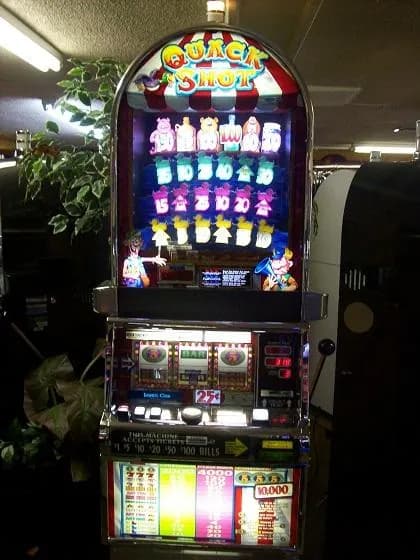
Slot Machines vs. Other Collectibles
How do slot machines compare to other entertainment collectibles as investments? Let me draw some comparisons from markets I have watched alongside our own.
Slot Machines vs. Pinball Machines
The pinball machine market is the closest parallel to slot machines. Both are large, heavy, electromechanical entertainment devices with dedicated collector bases. Pinball machines from the 1970s and 1980s have appreciated dramatically over the past 15 years, with popular titles like Addams Family and Medieval Madness increasing from $2,000 to $8,000 or more.
Slot machines have not yet seen the same level of collector-driven appreciation in the modern tier, but I believe the trajectory is similar, just delayed by about 10 years. Pinball had a head start because there was never a legal stigma around pinball ownership, whereas slot machines carry the complexity of varying state laws.
The pinball parallel is encouraging for slot machine investors. Both markets reward condition, rarity, and iconic titles. Both have fixed supply and growing collector communities. If modern slot machines follow the pinball appreciation curve, machines currently selling for $1,500 to $2,500 could be worth $4,000 to $6,000 within a decade.
Slot Machines vs. Arcade Machines
Classic arcade machines — Pac-Man, Donkey Kong, Space Invaders — have appreciated significantly as the generation that grew up playing them now has disposable income. Original Pac-Man cabinets have gone from $300 in the early 2000s to $1,500 to $3,000 today.
Arcade machines benefit from a massive nostalgia market and cultural recognition. Slot machines have a narrower nostalgia base but a higher per-unit value and arguably better construction quality. A slot machine engineered for 24/7 casino use is built to a higher standard than an arcade cabinet designed for a pizza parlor.
Slot Machines vs. Jukeboxes
Vintage jukeboxes from the 1940s and 1950s, particularly Wurlitzer and Seeburg models, have been strong collectibles for decades. Premium examples sell for $5,000 to $15,000 routinely. The jukebox market is relatively mature and stable, which makes it a good benchmark for where the slot machine market might end up.
Interestingly, jukeboxes and slot machines appeal to many of the same buyers. Both are large, impressive, mechanical devices with strong aesthetic appeal. Many of our customers who have slot machines also own jukeboxes or pinball machines. The game room collectible market is interconnected.
Slot Machines vs. Traditional Investments
Let me be direct about this. Slot machines are not a replacement for stocks, bonds, or real estate in an investment portfolio. They are illiquid, bulky, and subject to market forces that are difficult to predict. Transaction costs are high — shipping a 275-pound machine is not free.
However, as an alternative asset class within a broader collection of tangible goods — alongside art, wine, watches, or cars — slot machines have a legitimate place. They offer the dual benefit of enjoyment and potential appreciation. You cannot play your stock portfolio on a Saturday night with friends.
Practical Advice for Value-Minded Buyers
If you want to buy a machine that holds or gains value, here is what I recommend after 33 years in the business.
Buy Quality Over Quantity
One excellent-condition machine will hold its value better than three mediocre ones. Condition is the single biggest determinant of future value.
Buy Iconic Themes
Double Diamond, Blazing 7s, Wheel of Fortune, Red White and Blue. These games are iconic for a reason and demand for them will persist. Obscure licensed themes may have passionate fans today but lack the broad appeal that sustains long-term value.
Buy From a Reputable Dealer
A machine purchased from an established dealer with documentation, warranty, and verifiable history is worth more on resale than one purchased from an unknown private party with no paperwork. Provenance starts at the point of purchase.
Maintain What You Buy
Store your machine in a climate-controlled environment. Use a surge protector. Follow the basic maintenance schedule. Keep your documentation. A well-maintained machine with service records will always command a premium over one that was neglected.
Think Long Term
The slot machine market rewards patience. The biggest gains come to buyers who hold for 10 to 20 years or more. If you are buying with the intention of flipping in two years, the transaction costs alone will eat most of your potential profit.
Consider the 25-Year Threshold
Machines approaching the 25-year mark in age-restricted states are about to see their addressable market triple. Buying a 23-year-old machine today means that in two years, you can sell it in 41 states instead of 13. That expanded market creates upward price pressure.
The Bottom Line
Slot machines can be a sound store of value and in some cases a genuine appreciating asset. Antique machines have proven this over decades. Mid-century electromechanical machines are proving it right now. Modern machines follow a depreciation curve that eventually stabilizes and, for the right machines, turns upward.
But I want to be honest. The best reason to buy a slot machine is because you will enjoy it. The investment potential is a bonus, not the primary thesis. If you buy a machine you love, maintain it well, and hold it long enough, you will almost certainly get your money back and then some. But the real return is measured in years of entertainment, memorable nights with friends and family, and the unique joy of having a genuine casino machine in your home.
Browse our current inventory to find a machine that makes sense for both your game room and your long-term value expectations. And if you want to discuss the investment potential of any specific machine, give us a call. After 33 years, we have a pretty good read on where the market is heading.