
How to Manage Slot Machine Noise: Volume Control, Muting, and Soundproofing
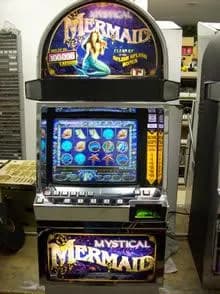
Practical solutions for controlling slot machine noise at home — from built-in volume controls and speaker mods to room-level soundproofing techniques.
This is one of the most common concerns we hear from buyers, especially those whose significant other is not entirely sold on the idea of a casino machine in the house. Slot machines are designed to be heard across a noisy casino floor. That level of audio output is impressive in a casino and excessive in a living room.
The good news is that noise management is a solved problem. Every machine we sell has some form of volume control, and there are additional steps you can take to tame the sound to whatever level works for your household. After 33 years of helping customers set up machines in homes, apartments, condos, and yes, even a few bedrooms, here is everything you need to know about managing slot machine noise.
How Loud Is a Slot Machine?
Before we talk about solutions, let us establish what we are dealing with. Slot machine noise comes from several sources, each at different volume levels.
Sound Sources and Decibel Levels
Speaker audio (music, sound effects, win celebrations): 70 to 85 decibels at full volume. This is the primary noise source and the one you have the most control over. For reference, 70 dB is comparable to a vacuum cleaner, and 85 dB is similar to a food blender. At medium volume, most machines run around 60 to 70 dB — normal conversation level.
Mechanical reel spin (reel machines only): 45 to 55 decibels. The whir of the stepper motors and the click of reels stopping into position. This is a relatively quiet, mechanical sound that most people find pleasant rather than annoying. You cannot eliminate it without disabling the reels, which defeats the purpose.
Coin hopper payout (coin-operated machines only): 75 to 85 decibels during payout. This is the loudest component — metal coins dropping into a metal tray. A large payout of 100 coins sounds like a brief burst from a coffee grinder. This noise is intermittent and only occurs during wins.
Button presses: 35 to 45 decibels. A light mechanical click. Not a concern.
Cooling fans: 30 to 40 decibels. Barely audible. Some machines have small internal fans; others rely on passive ventilation.
The total noise picture depends on your configuration. A reel machine in free play mode with volume at medium produces about 55 to 65 dB during play — comparable to a television at moderate volume. That same machine in coin mode at full volume during a big payout can hit 85 dB momentarily.
Built-In Volume Controls by Manufacturer
Every major manufacturer includes some form of volume adjustment. Here is how to access it on the platforms we sell most often.
IGT S2000 and S-Plus
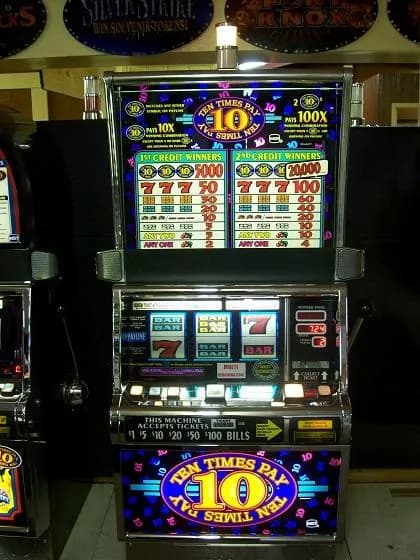
The IGT S2000 has a volume control accessible through the operator menu. Open the main door with your key, and you will find a small potentiometer (dial) on the speaker amplifier board, usually located on the inside of the main door panel. Turn it counterclockwise to reduce volume, clockwise to increase.
Some S2000 models also have a software volume setting accessible through the setup menu on the main board. Press the setup button inside the door to enter the configuration menu and look for the audio or volume option.
The S-Plus uses a similar potentiometer on the door panel. It is a simple analog control — no menus needed.
Range: Full mute to casino-floor loud. Most home users set it to about 25 to 35 percent of maximum.
Bally Alpha Series
Bally machines typically have software-controlled volume accessed through the operator menu. Open the main door, press the service button to enter the menu, and navigate to Audio Settings. You will find separate controls for base volume, win celebration volume, and attract mode volume.
The ability to control attract mode volume separately is valuable. You can mute the attract sounds (the music and animations that play when nobody is actively playing) while keeping gameplay sounds at a comfortable level. This means the machine stays quiet when nobody is using it.
Range: 0 to 100 percent in increments of 5 or 10 percent.
WMS Bluebird and Bluebird 2
WMS machines offer volume control through the operator setup screen. Access it via the service panel inside the main door. The volume setting is under System Settings or Audio. WMS also allows you to set different volume levels for gameplay, bonus rounds, and attract mode.
Range: 0 to 100 percent. Bonus round audio can be set independently, which is useful because bonus celebrations tend to be the loudest part of gameplay.
Aristocrat
Aristocrat machines (Mark VI, Viridian) have volume control in the operator menu. Look for Audio under the Configuration section. Like Bally, you can often set gameplay and attract mode volumes independently.
Konami
Konami machines use a similar software-based volume control through the operator menu. Access via the service door and navigate to Sound Settings.
General Rule
If you cannot find the volume control on your specific machine, call us. We provide free lifetime tech support and can walk you through the exact steps for any machine we sell. It usually takes less than five minutes over the phone.
Muting the Machine While Keeping the Lights
Some customers want a completely silent machine — all the visual spectacle with zero audio. This is common in bedrooms, home offices, or apartments with thin walls. Here is how to achieve it.
Software Mute
The simplest approach is setting the volume to zero through the operator menu as described above. On most machines, this eliminates all speaker output while keeping every visual element fully functional. Lights flash, reels spin, screens animate — all in silence.
Physical Speaker Disconnect
For a more permanent mute, you can disconnect the speaker wires from the amplifier board. This is a simple operation that involves unplugging one or two connectors inside the main door. The advantage is that no accidental menu change will restore the volume. The disadvantage is that you need to open the door and reconnect to get sound back.
We generally recommend the software mute over physical disconnect unless you are certain you will never want sound. The software option is reversible in seconds.
The Volume Knob Solution
If your machine has a potentiometer (physical dial), you can turn it all the way down. On IGT machines, counterclockwise until it stops. This provides a true analog zero that eliminates any residual hum or static that some machines produce even at the lowest software setting.
External Volume Solutions
If the built-in controls do not provide the range or precision you want, external solutions can help.
Inline Volume Attenuator
An inline volume attenuator is a small device (typically $10 to $25) that wires between the amplifier and the speaker. It gives you an external dial to control volume without opening the machine. Some customers mount the attenuator dial on the outside of the cabinet for easy access.
This is particularly useful on older machines where the internal volume control is inconvenient to reach or has a narrow adjustment range.
Speaker Replacement
The factory speakers in most slot machines are designed for casino environments — meaning they prioritize volume and durability over audio quality. Replacing them with smaller, lower-wattage speakers reduces maximum volume while often improving sound clarity at low volumes.
A pair of 3-inch, 5-watt speakers from any electronics supplier ($10 to $20) can replace the factory 10 to 25-watt speakers. The result is a machine that sounds better at living-room volumes and physically cannot get as loud as it could with factory speakers.
Headphone Jack Modification
This is a popular modification for apartment dwellers or late-night players. Adding a headphone jack to a slot machine involves wiring a 3.5mm audio jack to the speaker output with a switching circuit that mutes the internal speakers when headphones are plugged in.
The parts cost about $5 to $15 and the installation takes about 30 minutes if you are comfortable with basic soldering. We can walk you through it over the phone if you have basic electronics skills, or any local electronics repair shop can do it for $30 to $50.
With headphones, you get the full casino audio experience without any external sound. This is the best solution for players who want immersive audio at midnight without waking the household.
Bluetooth Transmitter
A wireless alternative to the headphone jack. Attach a Bluetooth audio transmitter ($20 to $35) to the speaker output and pair it with Bluetooth headphones or a Bluetooth speaker. This gives you wireless audio control and the ability to route machine sound to any Bluetooth device.
The slight audio delay with Bluetooth (typically 40 to 100 milliseconds depending on the codec) is generally not noticeable during slot play since there is no precise audio-to-action synchronization required.
Eliminating Coin Noise
If your machine is set up for coin operation and the hopper payout noise is the issue, you have two options.
Switch to Free Play Mode
The simplest solution. In free play mode, no coins are involved at all. Credits are added by pressing a button, and wins simply add to the credit meter. Zero coin noise because there are zero coins. This eliminates the single loudest sound a slot machine makes.
Hopper Dampening
If you want to keep coin play for the authentic experience but reduce the payout noise, you can dampen the coin tray. Line the metal tray with a thin layer of felt or rubber matting. The coins land on the soft surface instead of clanging against bare metal. This reduces payout noise by roughly 50 to 60 percent. The coins still accumulate in the tray, but the metallic clatter becomes a softer, muffled sound.
Some customers also place a small rubber mat under the hopper mechanism inside the cabinet to reduce the vibration transmitted to the cabinet shell.
Room-Level Soundproofing
If you want to go beyond machine-level controls and soundproof the room where your machine lives, here are the most effective approaches ranked by cost and effectiveness.
Level 1: Soft Furnishings ($0 to $200)
The cheapest soundproofing is stuff you probably already have. Carpeted floors, curtains, upholstered furniture, and bookshelves all absorb sound and reduce transmission to adjacent rooms. A game room with hardwood floors and bare walls will echo and amplify machine noise. The same room with carpet, curtains, and a couch will be noticeably quieter from outside.
If your game room has hard floors, a thick area rug under and around the machine makes a measurable difference. Adding heavy curtains to any windows further dampens sound transmission.
Level 2: Acoustic Panels ($100 to $400)
Acoustic foam panels or fabric-wrapped acoustic panels mounted on the walls absorb mid and high-frequency sound — exactly the frequency range where slot machine audio lives. A set of 12 to 16 panels covering 20 to 30 percent of the wall area will reduce perceived volume from outside the room by 30 to 50 percent.
These panels are available from Amazon or any music supply store for $1 to $4 per square foot. They come in various colors and can be arranged attractively. Some customers use them as decorative elements in their casino-themed game room.
Level 3: Door Seal and Upgrade ($50 to $300)
Sound leaks through gaps, and the biggest gap in most rooms is under and around the door. An automatic door sweep ($20 to $40) seals the gap under the door when it closes. Adhesive weatherstripping around the door frame ($10 to $15) seals the perimeter. Together, these reduce sound transmission through the door by 40 to 60 percent.
If your game room has a hollow-core interior door, replacing it with a solid-core door ($100 to $250) is one of the most effective single upgrades you can make. Solid-core doors block significantly more sound than hollow-core models.
Level 4: Serious Soundproofing ($500 to $2,000+)
For dedicated game rooms or basement casinos where you want near-complete sound isolation, professional-grade solutions include adding a second layer of drywall with Green Glue sound-dampening compound between layers, installing resilient channel to decouple the wall surface from the framing, and adding insulation to the wall cavities.
This level of soundproofing is typically done during construction or renovation and reduces sound transmission by 70 to 90 percent. It is overkill for most home slot machine installations but worth considering if you are building a dedicated casino room from scratch or if you live in a condo with noise-sensitive neighbors. Check out our home casino build guide for more on creating a dedicated gaming space.
Machine Placement Tips
Where you put the machine in the room affects perceived noise more than you might expect.
Corner placement amplifies bass frequencies. Putting a machine in a corner creates a natural bass trap that makes low-frequency sounds (the hum of the machine, the rumble of the hopper) louder. Pull the machine at least 18 to 24 inches from any corner.
Wall placement reflects sound. A machine flush against a wall reflects sound off that wall and back into the room, increasing perceived volume. Leave at least 6 inches behind the machine — which you should do anyway for ventilation, as we discuss in our setup guide.
Carpet absorbs impact noise. Place the machine on carpet or a thick rubber mat rather than bare hard flooring. This reduces vibration transmission and eliminates the resonance that hard floors create.
Face the machine away from bedrooms. Speakers are typically located behind the top glass or in the door panel — both facing the player. Orienting the machine so the speaker side faces away from bedrooms or shared walls reduces transmission to those spaces.
Noise Levels by Configuration
Here is a quick reference for expected noise levels based on how you set up your machine.
Quietest: Free Play, Volume Off - 40 to 50 dB (mechanical reels only) - Comparable to a quiet library or gentle rain - Only sounds are reel mechanics and button clicks
Quiet: Free Play, Low Volume - 50 to 60 dB - Comparable to a normal conversation - Comfortable for late-night play in most homes
Moderate: Free Play, Medium Volume - 60 to 70 dB - Comparable to a television at normal volume - The sweet spot for most home users
Loud: Coin Mode, Medium Volume - 65 to 75 dB during play, 75 to 85 dB during payouts - Comparable to a loud television or running dishwasher - Payouts are the noisy part
Casino Authentic: Coin Mode, Full Volume - 80 to 90 dB - Comparable to a food blender or busy restaurant - Appropriate for dedicated game rooms with soundproofing
The Bottom Line
Slot machine noise is completely manageable. Between built-in volume controls, free play mode, speaker modifications, and basic room treatment, you can dial the noise from casino-floor loud to near-silent depending on your needs.
The most common setup among our customers is free play mode with volume set to about 30 percent — enough to enjoy the sound effects and win celebrations without overpowering conversation or carrying to other rooms. Start there and adjust to taste.
If noise is your primary concern about buying a slot machine, do not let it stop you. We have helped customers in studio apartments get their machines to acceptable levels. A house with a dedicated game room is an even easier problem to solve.
Browse our inventory and when you are ready, contact us for specific guidance on noise management for the machine you choose. We have been solving this exact problem for 33 years.